
Is the Golden Retriever a sociable or reserved puppy?
If you’re asking “Is the Golden Retriever a sociable or reserved puppy?”, the short answer is that most are sociable and friendly, but there are always exceptions. You’ll meet puppies who leap into laps and puppies who hang back. Genetics and early socialization shape whether a pup greets everyone like an old friend or takes a minute to warm up.
Your daily choices make a huge difference. When you take a pup to meet people, dogs, and new places, you’re teaching them the world is safe. Calm introductions, short outings, and lots of praise push a shy pup toward confidence and outgoing behavior. Expect warmth, curiosity, and a bit of mischief—many Golden pups want to play, cuddle, and follow you like a shadow. If yours seems reserved, give gentle exposure and time; with patience most pups will bloom into the friendly dogs you expect.
Golden Retriever puppy temperament
Golden puppies are usually eager to please and quick to learn. Their affectionate nature shows in how they seek touch and attention. They’re smart, so training can be fun and fast if you stay consistent. Temperament still varies: some are laid-back, others high-energy. Watch body language—tail wag, relaxed ears, and bright eyes mean comfort; tucked tail and avoidance suggest you should slow down and offer comfort.
Why most are friendly
Part of the reason is history. Goldens were bred to work closely with people—fetching game and reading cues from handlers. That history favored dogs that liked human company and cooperation. You also train friendliness by how you respond: reward calm greetings and playful behavior so the pup learns that being social pays off.
Quick fact: most are outgoing
Most Golden puppies are naturally outgoing—they’ll wag, greet, and try to make friends. If yours is shy, calm, steady exposure and gentle exposure to new things will usually help them come out of their shell.
Early socialization for Golden Retriever puppies
You may wonder again, “Is the Golden Retriever a sociable or reserved puppy?” Most Goldens lean toward friendly and outgoing, but how you handle those first weeks shapes a lot. Early socialization teaches your pup how to meet people, other dogs, and strange sounds without panic. Think of those weeks like a seedbed—the care you give now affects the whole plant.
Start with gentle, positive exposures: let your puppy meet a calm stranger, hear a vacuum at low volume, or sniff a stroller while you stand nearby. Keep introductions short and happy. If your pup pulls back, slow down. Praise and a tasty treat solidify that new things mean good stuff. A few five-minute wins each day beat one long, stressful session.
Golden Retriever socialization tips for puppies
Introduce new people and dogs in a calm space and let your pup approach on their terms. Use short positive meetings with treats and play. Handle your pup often—touch paws, ears, and mouth while giving a treat. Take short car rides and practice vet checks at home with gentle pressure and rewards. These touches make future grooming and vet visits much easier. Remember: consistency and kindness win every time.
Best age to start socializing
The prime window is around 3–14 weeks—puppies soak up new experiences like sponges. Start slow and kind during this time. If your pup missed some early exposure, you can still make great progress later, but earlier is simpler. Talk with your vet about safe ways to expose your pup to the outside world before full shots: invite vaccinated dogs over, bring strangers into your home, and practice noises indoors.
Start simple, start early
Keep first steps tiny: a quick meet-and-greet, a short car ride, or five minutes of handling paired with treats. Small, frequent wins build big confidence fast.
Signs your Golden is a reserved puppy
If your pup hangs back at the dog park or watches from the doorway while others zoom around, that can be a clear sign of a reserved personality. A reserved puppy often leans on you for comfort—staying close to your feet, following you room to room, or choosing a snug spot near you rather than racing out to play. This closeness is a sign they trust you. With gentle encouragement, they’ll often blossom into a confident dog at their own pace.
Listen to subtle signals: freezing, tucked tail, avoidance, lip licking, yawning, or turning the head away. These are real clues that your pup is unsure. Don’t force interaction—small wins like a treat from your hand or a short cuddle matter. Celebrate tiny steps; they add up fast.
Signs of reserved Golden Retriever puppy
Reserved pups may be slow to approach people, hesitate at thresholds, or refuse a toy at first. You’ll spot low-energy play and a tendency to observe rather than join. In social situations they may prefer a quiet corner and look to you for cues. Respecting these signs and giving your dog a safe exit builds trust faster than forcing affection.
Do Golden Retrievers get shy as puppies?
Is the Golden Retriever a sociable or reserved puppy? Both can be true. Goldens are famous for friendliness, but some pups are shy due to genetics or early experiences. Socialization and kind handling help a shy Golden grow confident—gentle exposure to new people and places, paired with treats and calm praise, turns cautious steps into bigger moves. Your patience pays off.
Watch body language closely
Learn your pup’s face and stance like you learn a friend’s mood. A soft gaze and wag mean happy; a stiff body, whale eye, or tucked tail means back off. Reading these signs helps you give support when needed and space when it’s ready.
What owners say about puppy friendliness
When asked “Is the Golden Retriever a sociable or reserved puppy?” most owners answer with a smile. Many say their pups are friendly, quick to wag and eager to meet people, though some are quiet at first. Owners stress calm, short meetings over crowd scenes and consistent, gentle exposure.
Practical tips from owners: let your pup choose the pace, use short play sessions, gentle introductions, and familiar toys. Reward small wins with treats and praise. Simple routines and patience change shy pups more than grand gestures.
Golden Retriever behavior — owners’ experiences
Owners often describe Golden pups as affectionate and eager to please: fetchers, shadow-followers, and leaners for pets. Still, behavior can differ by litter and upbringing; some pups are bold, others need more time. Gentle handling and steady exposure help pups adapt faster.
Real stories of shy and social pups
One pup became the life of the dog park after gentle weekly visits—first hovering, then sniffing, then bowing to play. Another hid under the couch for days and, with tiny treats and soft voices, learned to peek, play, and jump on laps. Those tiny wins turned fearful pups into curious pals.
Owners note wide range
Owners agree the breed leans friendly, but there is a wide range of temperaments—even pups from the same litter can be very different. Watch your pup, trust your gut, and adjust your approach to fit their personality.
Trainers’ tips for social Golden puppies
Start with early, gentle exposure. Short bursts—quiet parks, car rides, front-porch visits—make new things feel normal, not scary. Think of socializing like teaching your pup to dance: small steps, lots of praise, and never dragging them onto the floor.
Watch body language: if they lean in with a wag, that’s a green light; if they tuck, freeze, or hide, slow down. Make a simple weekly plan: a short puppy class, one playdate, a handling session, and a new surface to explore. Use high-value treats, keep sessions under ten minutes, and be consistent. Little wins add up fast.
Trainers’ advice — training methods
Use tiny, clear rewards and short, fun sessions so your puppy learns fast. Practice calm greetings: ask visitors to ignore your pup until they sit or sniff calmly, then reward. Avoid scolding—punishment shuts learning down and can make socializing harder. Celebrate tiny progress and gradually replace treats with praise and play.
How social are Golden Retriever puppies in class?
Most Goldens are friendly and outgoing—many bounce into class eagerly. Some pups are quiet or get overwhelmed; separating playtime from learning time helps shy puppies avoid noisy groups. Bring a favorite treat and familiar toy, and tell the instructor if your pup needs a slow intro.
Use gentle, reward-based methods
Short sessions, tasty treats, and clear markers (clicker or word) work best. Celebrate progress and avoid heavy-handed corrections.
How your puppy interacts with people
Golden puppies often meet people like long-lost friends—friendly, curious, and full of wiggles. Body language tells you a lot: tail wags, soft eyes, and leaning in for pets. A calm voice soothes; high-pitched squeals pump them up. Teach guests to crouch and offer a slow hand; loud rushes may make a pup step back or bark. Your calm cues shape your puppy’s behavior.
Golden Retriever puppy interaction with people
Goldens lean toward being social—they love company, games, and cuddles. When someone new appears, expect a nose-first investigation and a lick or two. If you ask, Is the Golden Retriever a sociable or reserved puppy? in most cases, the answer swings toward sociable, though some pups are shy at first.
Tips for kid and guest introductions
Teach kids to move slowly and speak softly. Show them how to offer a hand palm-down and avoid sudden hugs. Supervision is non-negotiable. Prep guests to ignore the pup until you cue a calm greet; toss treats low or pet the chest instead of the head. Train a calm greeting by asking for a sit before pets and rewarding the pause.
Play and friendliness with other dogs
Goldens usually greet other dogs like old friends—wags and play bows. Early play teaches sharing, reading body language, and taking turns. Watch for stiff bodies, prolonged staring, or raised hackles—those are warning signs. Read cues and step in calmly to prevent escalation.
Golden Retriever puppy friendliness with dogs
Most are very sociable—they love company, new smells, and silly games. But social skills need practice. Guide short meetups, reward calm greetings, and step in if play gets too rough.
Safe dog-to-dog meetups
Choose a neutral spot for first introductions, keep loose leashes, and let dogs sniff at their own pace. A relaxed walk side-by-side can work wonders before off-leash time. Watch faces and tails more than barking: a loose, low wag is friendly; a high, stiff tail can mean stress. If you see a quick snarl or hard freeze, separate calmly and give both dogs a break.
Supervise all first plays
Stay close during first sessions so you can step in before things escalate. Your presence teaches limits and builds trust.
Breed traits versus individual temperament
Breed traits give a big hint about what a Golden puppy might be like, but they don’t write the whole story. Goldens were bred for friendliness, retrieving, and working with people, so expect a baseline of sociability and eagerness to please. Each puppy is an individual—the recipe is the breed, temperament is the flavor.
Temperament and genes
Genes set the starting line—bold, friendly parents often produce outgoing pups. But environment, socialization, and training turn that starting point into a full personality. Early positive experiences build confidence; a fearful early period can hide a naturally outgoing pup. Don’t label your pup too fast.
Are Golden Retrievers sociable or reserved by nature?
Is the Golden Retriever a sociable or reserved puppy? Most are classic social butterflies—they love attention, games, and meeting new faces. Still, you’ll meet occasional pups who are quieter or slower to warm up. If your pup seems reserved, gentle exposure and praise will coax out their friendly side without forcing them.
Steps if your puppy is shy or reserved
Start slow and give your pup a safe space. Let them sniff and watch before pushing interaction. Sit on the floor, keep your voice low, and offer a soft hand for sniffing. Use short, gentle sessions: five minutes of quiet time, a short walk, or a low-key toy toss. Praise and a tiny treat the moment they try something new turns small moves into wins.
Ask yourself: “Is the Golden Retriever a sociable or reserved puppy?” Many are naturally friendly, but some can be shy. Meet your pup where they are, avoid loud crowds until they’re comfortable, and with consistency and kindness most Golden puppies will bloom into confident dogs.
Golden Retriever socialization tips you can use
Introduce new people and places in short, positive bursts. Start with calm adults, then kids who know how to be gentle. Mix in different sights and sounds at home before heading out—recordings at low volume, short walks near a café—so bigger outings feel less scary. The goal is steady, friendly experiences that build comfort without overwhelming them.
Training games to build confidence
Play short games that reward bravery: a name game (call, reward, increase distance), hide-a-treat puzzles, wobble toys, low steps to climb, or soft tunnels to crawl through. Celebrate every attempt with bright praise and small treats—training should feel like play, not a test. Small wins build trust like bricks in a wall.
Small wins build trust
Break bigger goals into tiny steps and celebrate each one. A single comfortable glance at a stranger, a calm sit in a new place, or one more step on a walk are all wins. Stack those moments and you’ll see trust grow.
Conclusion — Is the Golden Retriever a sociable or reserved puppy?
Most Golden Retrievers are naturally sociable—friendly, curious, and eager to please—but individual pups vary. Genetics, early environment, and how you socialize and train them shape whether a pup is outgoing or reserved. With calm, consistent exposure and gentle reward-based training, even shy Goldens typically become confident, friendly companions.
Frequently ask yourself, “Is the Golden Retriever a sociable or reserved puppy?” as you read your pup’s signals, adapt your approach, and celebrate the small wins that lead to a lifelong, trusting bond.
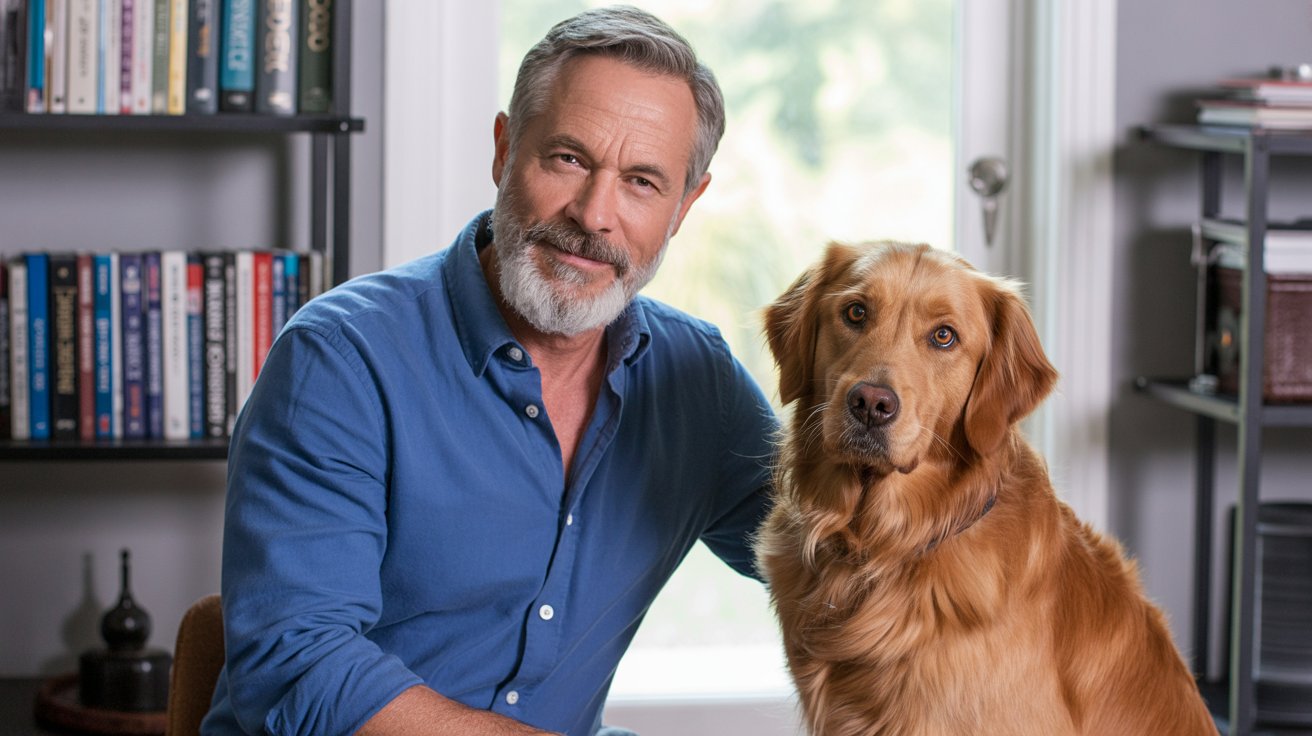
Julien Moreau is a respected author and canine specialist with over 30 years of experience dedicated to the study, development, and preservation of purebred dogs. His career was built through decades of direct work with breeders, veterinarians, and kennel organizations, always guided by traditional standards and a deep respect for the foundations of responsible breeding.
With a strong academic background in animal science and advanced training in canine genetics and breed evaluation, Moreau combines formal education with practical knowledge acquired over a lifetime. His work emphasizes correct structure, stable temperament, and long-term health, principles that have guided serious breeders for generations.
As an author, Julien Moreau is known for clear, authoritative writing rooted in experience rather than trends. His publications are widely used as reference material by breeders and professionals who value tradition, discipline, and the preservation of true breed characteristics.