
Gentle temperament of golden retrievers
Golden retrievers move through life like a soft soundtrack in the background — steady, warm, and easy to be around. You’ll notice they greet you with a calm tail wag and patient eyes, even after a long day. That steady mood makes them easy to live with; they don’t startle at small noises or flare up over minor changes in routine.
They read the room well. If you feel tired or sad, a golden will quiet down and stay close, offering gentle pressure or a nudge that says, I’m here. That same calm translates to playtime: they love to romp, but they switch off quickly and settle beside you when you want quiet. You get a companion that adapts to both energy and stillness.
This breed pairs well with people who value predictability and comfort. Many families, volunteers, and therapists choose goldens because they handle attention and downtime with the same easy grace. The Relationship of the Golden Retriever with the Elderly and Calm People often grows into deep trust and routine, where both dog and person feel safer each day.
Friendly and patient nature
Goldens are built for friendliness. They greet strangers with a wag and curiosity, not with suspicion, which makes them great at social events, therapy visits, or meeting new neighbors.
Their patience is obvious with children and older adults alike. They tolerate pokes, long hugs, and slow walks without complaint. If you need a dog that waits calmly for treats or follows gentle commands, a golden usually fits the bill.
Gentle golden retriever temperament
The golden temperament leans quiet rather than sharp. You’ll rarely see sudden aggression; they’re more likely to lick a hand than snap. That calm behavior comes from breeding for cooperation and close work with people.
They are emotionally tuned in. A golden senses changes in your voice or posture and responds in kind — sometimes by resting its head on your knee, sometimes by staying nearby. This sensitivity makes them steady partners in daily life.
Recognized as calm companions
Golden retrievers are widely recognized as calm companions in homes, care centers, and therapy programs because they balance alertness with a relaxed manner; you can count on them to be gentle, follow simple cues, and sit quietly beside you when life calls for peace.
The Relationship of the Golden Retriever with the Elderly and Calm People: emotional support
You’ll find a Golden Retriever feels like a warm blanket on a chilly night when you need calm and company. They read simple cues — a soft voice, a slow walk, an open palm — and respond with steady eyes and a wag. That steady presence can turn a quiet house into a place that hums with gentle routine.
When you live with less noise and more slow hours, a Golden Retriever matches your rhythm. They love gentle strolls, quiet naps at your feet, and sitting close while you read. Those small rituals give your day shape and make it easier to wake up with a plan — even if that plan is just to share a cup of tea and a tail wag.
Think of them as a friendly shadow. They notice when you’re tired, when you smile, and when you need a nudge to move. That awareness builds trust. Over time, your bond becomes a steady lifeline that helps calm your mind and brighten small moments.
Golden retriever emotional support for seniors
A Golden Retriever gives practical comfort you can feel. Their head on your knee or a soft lick after a bad day lowers stress in ways words can’t. Touch from a dog releases calming chemicals in the brain, and those quiet, repeated comforts stack up day after day.
They also help with routine and safety. A daily walk keeps you moving. Feeding and grooming give gentle structure. Many seniors report that their dog’s needs kept them more active and alert, like a friendly reminder to step outside and breathe.
Pet companionship and elderly mental health
Having a loyal dog changes how you interact with the world. You’ll meet neighbors on walks, swap stories at the park, or find small reasons to smile. That social spark breaks up long stretches of silence and brings new energy to your day.
Beyond social life, dogs help steady mood swings and ease low days. The simple act of caring for another being gives purpose. You aren’t just passing the time — you are needed, and that feeling lifts loneliness and helps guard your mental health.
Comfort that lowers anxiety
When your hands stroke soft fur, your breathing slows and your mind quiets. A Golden Retriever anchors you to the present like a gentle tug on a kite string. That calm, steady touch is a simple tool you can use anytime anxiety rises.
Therapy dog benefits for seniors
A therapy dog can be a gentle nudge toward better days. When you stroke a warm coat or feel a soft head rest on your knee, stress drops. Your heart rate slows and your blood pressure can fall. Those little moments add up into real health gains.
A dog gives you reason to move. Short walks, play sessions, or simple grooming help keep joints limber and muscles active. Movement can ease stiffness and lift energy. That small daily routine becomes a bridge from sitting to doing.
Therapy dogs also open doors to conversation and smiles. People start talking about the dog, and then about family, memories, or favorite songs. That social spark fights loneliness and keeps your mind engaged. Over time, you may feel more connected and less alone.
Golden retriever therapy dog for seniors
Golden Retrievers are built for this job. They’re calm, patient, and love attention. Their soft eyes and steady presence can melt worry away. The Relationship of the Golden Retriever with the Elderly and Calm People fits because goldens seem to read a calm mood and match it. If you live alone or in a care home, a golden can become a steady companion that helps you laugh, breathe, and enjoy simple routines again.
Therapy dog benefits for elderly
Therapy dogs help memory and mood in simple, honest ways. A dog can trigger pleasant memories—pets from childhood, walks in the park, or family moments—and those memories wake up stories you like to tell, keeping the brain active.
They also reduce anxiety and soothe sadness. When you pet a dog, your body releases feel-good chemicals. That change can make doctors’ visits, therapy, or daily tasks feel less heavy. The dog becomes a calming anchor in your day.
Visits that boost mood and routine
Regular visits set a rhythm your day can count on. A scheduled dog visit can be the highlight you plan around—morning coffee, a short walk, a story read aloud to the dog. Those predictable joys lift spirits and give your day shape.
Senior dog companionship benefits
You get a steady friend when you bring a senior Golden into your life. Older Goldens move at a calm pace, and that calm can rub off on you. You’ll notice quieter days, gentle naps side by side, and fewer surprises. That kind of predictability feels like a warm blanket on a cold night.
A senior dog offers gentle affection that fits into slow routines. Maybe you sip tea while the dog rests its head on your knee. That simple touch lowers stress and lifts mood. The bond is soft but real.
Think of a senior Golden as a quiet coach. They don’t demand wild games. They nudge you out the door for short walks. They remind you to breathe, to move, to laugh at small things. For older adults and calm people, that nudge can be the difference between sitting and living.
Reduced loneliness and social contact
A calm Golden becomes a conversation starter wherever you go. People stop on walks to ask about your dog. That small chat can turn into coffee dates or new friendships. At home, the dog fills quiet moments — you can talk to them without judgment. Their steady presence eases the ache of being alone.
Improved daily structure and calm
Having a senior dog sets simple routines that feel good. You’ll plan short walks, regular feeding times, and quiet rest periods. Those small habits help you keep track of the day, take meds on time, and get fresh air. That steady rhythm brings calm and makes life easier to handle.
Matching energy levels with calm people
You want a dog that fits your pace. A calm home needs a calm companion, and matching energy is about rhythm more than rules. If you prefer quiet mornings, soft conversation, and slow evenings, choose a dog that settles easily beside your chair instead of pacing the house.
Golden Retrievers often adapt well to a mellow routine. They can be playful, but many will learn to read your cues — when you slow down, they slow down. That makes life easier for you and kinder for your dog. The Relationship of the Golden Retriever with the Elderly and Calm People shows how well this pairing works in quiet homes and gentle routines.
Calm dog breeds for elderly
Look for dogs that are friendly, patient, and steady. Cavalier King Charles Spaniels, Bichon Frises, Shih Tzus, and Pugs are small and calm, easy to lift or carry if needed. Labradors and Golden Retrievers are larger but often very gentle and eager to please, which makes them good for seniors who can handle a medium-sized dog.
Grooming and health matter. Short-haired older dogs cut down on brushing and shedding, while breeds with known health issues might mean more vet trips. Choose a breed whose exercise needs match yours. If you prefer short walks and indoor play, pick a dog that thrives on gentle activity.
Golden retriever calm companion traits
Golden Retrievers bring steady affection. They are patient with slow movements, tolerant with fumbles, and usually eager to sit quietly by your side. Their history as family dogs and therapy animals means they often enjoy calm human company and give steady emotional support.
They read your mood well. If you’re relaxed, a Golden will nestle in and nap; if you have a burst of energy, they’ll play and then settle back down. Their friendly nature makes them great for visits with neighbors or grandchildren.
Gentle walks and relaxed play
Keep walks short and familiar. A gentle loop around the block, a slow sniffing session, or a soft toss of a toy in the yard is better than long, fast runs. Use quiet games like scent puzzles or a slow hiding treat to keep the mind active without raising heart rates. These small routines build trust and turn daily care into calm companionship.
Training and ease of care for seniors
Golden Retrievers fit like a soft glove for older adults. The Relationship of the Golden Retriever with the Elderly and Calm People shows why this breed often becomes a daily companion for reading, short walks, and quiet afternoons. Their gentle nature makes everyday care less stressful than with many other breeds.
You don’t need hours of heavy exercise to keep a Golden healthy as a senior companion. Short, regular walks and light play are enough to keep them fit and happy. Grooming is regular but simple: brushing a few times a week and basic baths. That routine is easy to slot into your day without overwhelming you.
Health checks and small adjustments make a big difference. Talk with your vet about joint support, weight control, and dental care so your dog stays comfortable. Simple tools like a ramp, non-slip mats, and a harness make life easier for both of you.
Trainability makes life simpler
Golden Retrievers learn fast because they want to please you. Teach life-saving commands with short, fun sessions using treats, toys, and praise. When a dog knows come or stay, you get real peace of mind on walks and at home.
Training also helps with daily needs. Teach your dog to bring items, nudge you when it’s medicine time, or stay off furniture if that helps with allergies. Small wins add up and tasks that once felt hard become part of your routine.
Tips for safe senior training
Keep sessions short and gentle to protect the dog’s joints and your energy. Five to ten minutes, two or three times a day, works wonders. Use low-impact games like scent work or slow fetch. Avoid high jumps or long runs. If you need help, a certified trainer with experience with older handlers can show methods that reduce strain. Always check with your vet before starting new exercises.
Basic commands help daily tasks
Teach sit, stay, come, leave it, and place to make life smoother. Sit keeps a dog calm during visits; come keeps walks safer; leave it protects from danger. Practice in short bursts around the house. Once your dog knows them, daily tasks—meals, guests, medication reminders—become easier and less stressful.
Health concerns and senior care support
Golden retrievers age gracefully, but aging brings changes you can spot if you pay attention. Watch for stiffness after sleep, slowed walks, or reluctance to jump. Make small changes at home: add a soft bed, a ramp for the couch, and non-slip rugs on slick floors. These fixes cut pain and keep your dog moving.
Diet and weight matter more as your dog gets older. Extra pounds strain hips and knees and make arthritis worse. Talk to your vet about calorie needs and consider food with extra omega-3s or joint-friendly nutrients. Swap treats for low-calorie snacks and keep mealtime predictable.
Mental health matters, too. Senior goldens can get confused or bored. Short, gentle games, scent work, or a slow feeder keep the mind active. Keep routines steady—walk times, meals, and quiet time—so your dog feels safe.
Golden retriever senior care support
Give your older golden a plan that fits their energy. Shorter, slower walks several times a day beat one long, hard outing. Try swimming if your dog likes water; it builds muscle without joint strain. Monitor play with other dogs; rough play can lead to injuries that take longer to heal now.
Medication and supplements can help, but use them only under vet guidance. Glucosamine, chondroitin, and fish oil often help joints. Pain meds can be lifesavers for a sore dog, but dosages change with age and weight. Keep a simple log of behaviors, appetite, and bathroom habits to spot changes fast.
Common health issues to watch
Hip dysplasia and arthritis are common. You might see limping, trouble rising, or a bunny-hop run. Early mobility work and weight control slow progression. Cancer, dental disease, ear infections, and hypothyroidism also show up in older goldens. Watch for lumps, bad breath, extra thirst, or a drop in appetite. Quick checks and timely treatment often bring big improvements.
Regular vets and mobility checks
See the vet at least twice a year as your golden ages and get focused mobility checks: watch gait, test range of motion, and note muscle loss. Your vet can suggest physical therapy, hydrotherapy, or home exercises and will adjust meds as needed. Keep photos and short notes before appointments so you can show real changes over time.
Grooming and home management for elderly owners
Golden Retrievers love company, and you can make grooming part of your daily connection. Start small: five minutes of brushing after breakfast can cut down loose hair and give you a calm moment together. Short, regular sessions stop big tangles and matting before they grow into a chore that’s hard on your back and hands.
Think about your home like a team. Place washable rugs near doors, keep a lint roller by the couch, and have a quiet corner where your dog can rest while you brush. The Relationship of the Golden Retriever with the Elderly and Calm People shows why these dogs fit so well into a slower pace of life; they often match your tempo and reward gentle routines with steady affection.
Plan simple, steady care you can stick to. A weekly checklist on the fridge helps: brush, paw check, ear look, nail glance. If something needs to be done by a pro, mark it on the calendar and ask a neighbor or family member to help.
Shedding and coat care tips
Golden coats shed in waves, often in spring and fall. Brush at least three times a week with a tool that reaches the undercoat. Short sessions prevent hair from piling up on clothes and floors. Use a de-shedding tool when shedding is heavy, but go gentle to keep skin comfortable.
Bathe only when needed to avoid drying the coat. Dry shampoos and grooming wipes are great between baths. Keep a small vacuum or a handheld brush nearby. Routine checks for knots behind the ears and under the legs save time and avoid painful matting later.
Grooming help for less mobile seniors
If bending or standing is hard, ask for help. Many groomers offer mobile services that come to your door. Local pet centers, volunteers, or young neighbors may chip in. Make sessions shorter by doing small tasks yourself and leaving the big ones to someone else.
Set up grooming where you sit. Place a non-slip mat, a towel, and treats within reach. Teach your Golden to stand or sit on a low table using calm praise and snacks. Breaking tasks into tiny steps keeps grooming safe and makes the job feel manageable.
Tools and routines ease upkeep
A soft brush, an undercoat rake, grooming wipes, a lint roller, and a pet hair vacuum are worth their weight in gold; add a non-slip mat and a grooming arm if you use a table. Keep a simple routine: quick brush daily, deeper brush weekly, bath every 6–8 weeks or as needed, and a monthly nail check.
Finding and adopting the right calm companion
You want a Golden who fits your pace, not one who drags you through the park. Start by listing your daily routine, mobility, and energy. Match that to a dog’s age and activity level: older Goldens and adult rescues often have slower days and solid manners, while pups bring puppy chaos. Short walks, gentle play, and plenty of cuddle time might be your sweet spot.
Meet dogs in real settings. Arrange home visits or quiet meet-and-greets at the rescue so you see how the dog behaves in a living room or near a walker. Watch for steady eye contact, soft body language, and a calm approach. Bring a favorite chair or blanket; comfort often brings out the dog’s true self.
Plan a trial period. A week or two lets you test the fit without jumping in headfirst. Use short checklists: how the dog handles stairs, reaction to sudden noise, and interest in laps. If things click, you’ll feel it—like finding the right dance partner who knows when to slow down.
Golden retriever companion for elderly
A Golden can be a steady hand for seniors. They read faces well and respond to quiet cues. If you live alone or use a cane, a calm Retriever can offer company and a reason to step outside. That daily walk becomes a gentle rhythm that helps balance and mood.
Pick a dog with low reactivity and a patient temperament. Ask about the dog’s past with older adults. Look for signs like relaxed breathing, soft tail wags, and willingness to rest beside you.
Rescue checks and temperament testing
Ask the rescue what tests they run. Good centers will assess how a dog reacts to sudden sounds, gentle handling, and being left alone for short stretches. They should also report history with children, seniors, or other pets.
Do your own mini-tests during visits. Sit quietly and read aloud. Drop a towel and see if the dog startles. Offer a slow hand to sniff and stroke the head. Watch for signs of fear or guarding. If the dog stays calm and curious, that’s a bright green light for a peaceful home.
Choose trained, calm personalities
Aim for dogs that already know basic cues like sit, stay, and come, and who settle on command. Training shows the dog can follow guidance and is less likely to bolt or jump. Older, trained Goldens often bring a calm presence that fits easily into a quieter life.
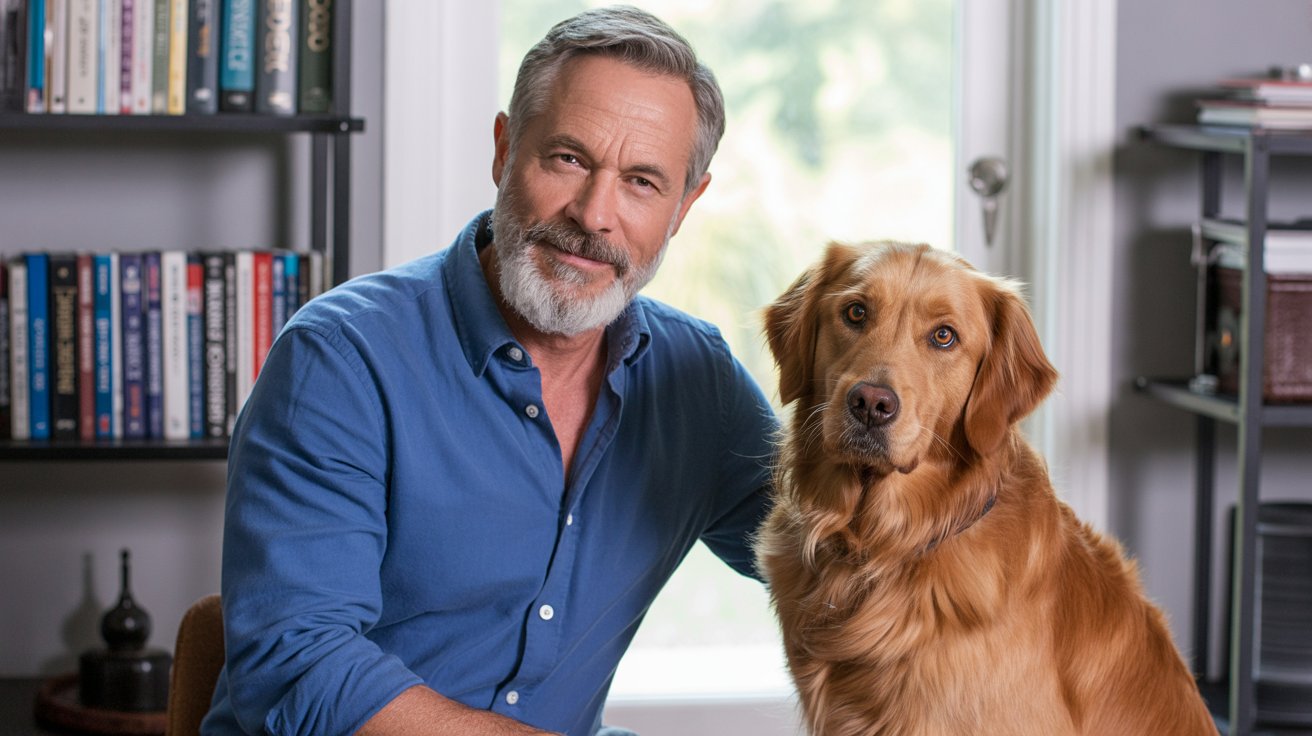
Julien Moreau is a respected author and canine specialist with over 30 years of experience dedicated to the study, development, and preservation of purebred dogs. His career was built through decades of direct work with breeders, veterinarians, and kennel organizations, always guided by traditional standards and a deep respect for the foundations of responsible breeding.
With a strong academic background in animal science and advanced training in canine genetics and breed evaluation, Moreau combines formal education with practical knowledge acquired over a lifetime. His work emphasizes correct structure, stable temperament, and long-term health, principles that have guided serious breeders for generations.
As an author, Julien Moreau is known for clear, authoritative writing rooted in experience rather than trends. His publications are widely used as reference material by breeders and professionals who value tradition, discipline, and the preservation of true breed characteristics.